Column · @tysondzij492
How a Pie Shop Perfects Both Sweet and Savory Pies
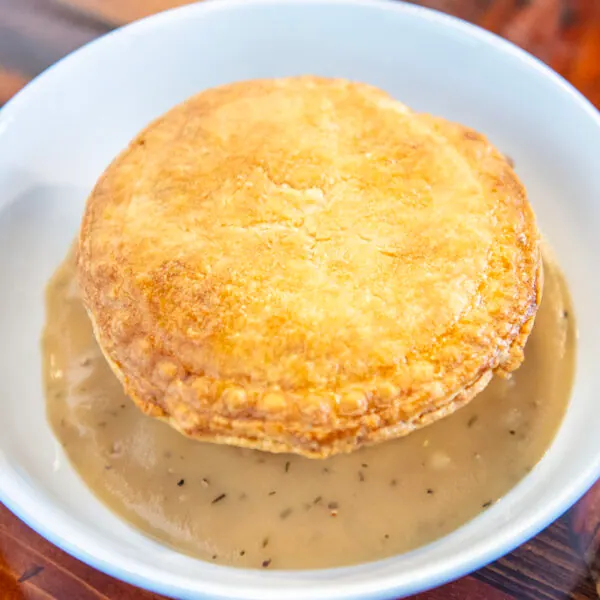
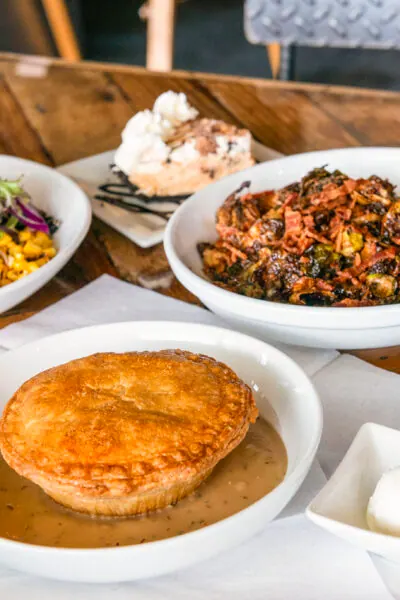
A good pie shop does more than sell crust and filling. It manages contrast. On one side of the case, there is fruit that needs to taste bright, ripe, and alive. On the other, there are slow-cooked meats, roasted vegetables, gravies, custards, cheeses, herbs, and stock reductions, all asking for depth and restraint. The challenge is not simply making both sweet and savory pies. It is making them feel equally convincing, as if they belong to the same house and were shaped by the same standards.
That balance is harder than it looks from the customer side of the counter. A sweet pie can hide behind sugar if the fruit is weak. A savory pie can lean too heavily on salt, butter, or cheese if the filling lacks structure. In a serious pie shop, neither shortcut lasts long. Regulars notice. Staff notice. Most importantly, the bakers notice, because the flaws show up every morning in the trim scraps, the steam vents, the cut slices, and the pans that come back half-finished.
What separates an average shop from one that earns loyalty is not a secret recipe. It is a system of choices, repeated with care, then adjusted with good judgment. Dough is handled differently depending on the filling. Seasoning changes with the weather. Fruit is treated with more skepticism than many customers realize. Savory fillings are often cooked twice in effect, once on the stove and again in the oven, so the margin for error is narrow. The shops that do both well understand that pie is not one product. It is a family of products sharing a shell.
The crust sets the terms
Every pie starts with crust, but not every crust should behave the same way. This is one of the first places a pie shop either sharpens its identity or blurs it.
Sweet pies usually want tenderness and delicacy. That does not mean fragility. A fruit pie shell still has to hold hot juices without turning leathery or collapsing at the base. But the eating experience should feel light enough to support peaches, apples, berries, or custard rather than dominate them. Many bakers aim for a dough with enough fat to produce flakes, but not so much that the shell slumps or fries at the edges. Sugar in the dough can help browning, though too much pushes the crust toward cookie territory.
Savory pies ask for something slightly different. They need strength. A steak and ale pie, a chicken pot pie, or a hand pie filled with spinach and feta puts real weight on the shell. Steam from the filling can be relentless. In those cases, a dough with a touch more structure often performs better, whether that comes from flour choice, mixing style, lamination approach, or a lower sugar content. Some shops keep separate dough formulas. Others use one base dough and change technique, rolling thickness, docking, resting time, and bake profile to suit the pie.
The best shops know where consistency matters and where flexibility pays off. If the dough tastes flat, every pie suffers. If it is too distinctive, strongly buttery, aggressively salty, or unusually sweet, it can overpower half the menu. The goal is a crust with a point of view, not a crust that insists on being the whole conversation.
There is also the matter of hydration and rest. In mixed-production kitchens, impatience is one of the most expensive habits. Dough rushed from mixer to bench fights the pin, shrinks in the tin, and bakes unevenly. Rested dough, by contrast, behaves. That one difference has a direct effect on both sweet and savory quality, and customers can feel it even if they would never describe it in technical terms. They call it “cleaner,” “lighter,” or simply “better.”
Fruit is less predictable than people think
One reason some shops excel at sweet pies only part of the year is that fruit resists standardization. Apples vary from crop to crop. Strawberries can smell wonderful and still bake into mush. Blueberries may bleed purple into everything without developing enough sweetness to justify the mess. Stone fruit is notorious for changing personality over a two-day span.
A disciplined pie shop treats fruit with suspicion first, affection second. Every batch needs tasting. Sugar levels need adjusting. Acid needs balancing. Thickener needs judgment, because fruit behaves differently when raw, macerated, pre-cooked, or frozen. Too little thickener and the slice collapses into soup. Too much and the filling turns gummy, the fastest way to make an expensive fruit pie feel cheap.
Apples illustrate the point well. A shop that builds its apple pie with one variety all year often ends up fighting texture. Some apples keep shape but taste muted. Others taste vivid but disappear into sauce. A stronger approach is blending varieties when possible and changing the formula with the season. Early autumn fruit may need less sugar and more thickener if it throws juice. Late-storage apples may need more acid to wake them up and a little less bake time to preserve what texture remains.
Berry pies present another problem. They can swing from jammy and luxurious to watery and harsh with very little warning. A baker who has worked through a few summers learns to read the signs before assembly. If berries are unusually ripe, the filling may need less sugar than the recipe card suggests. If they are tart but fragrant, a small increase in sugar helps, but so does a change in spice. Cinnamon is not a universal fix. Sometimes lemon zest is enough. Sometimes the right choice is to leave the berries mostly alone and let the crust carry some of the richness.
Custard pies demand a different kind of precision. Pumpkin, chess, buttermilk, chocolate, coconut cream, and similar pies can seem forgiving because they are familiar. They are not. The line between set and overbaked is narrow. Overbaked custard develops grain, surface cracking, and a dull finish. Underbaked custard cuts poorly and leaves the customer with that awkward sensation of eating pie that has not decided whether it is dessert or sauce. A strong pie shop bakes by texture and carryover heat, not by timer alone.
Savory fillings need architecture, not just flavor
Customers often judge savory pies by aroma first. That can be misleading. Savory pies smell terrific almost by default because butter, onions, stock, and roasted proteins advertise themselves. The real test comes when the pie is cut.
A proper savory filling has architecture. Meat should be tender but not stringy. Vegetables should be cooked through but still recognizable. The sauce or gravy should bind the components without flooding the plate. Cheese, if used, must support rather than smother. Herbs should still be identifiable after baking. This means the filling usually needs to taste slightly stronger before it enters the crust than it will in the finished pie, but not so strong that the bake turns it heavy.
One common mistake is under-reducing the base. In a stew, excess liquid can be tolerated. In a pie, that liquid turns destructive. It softens the bottom crust, pushes steam through the lid too aggressively, and leaves the slice unstable. A well-run pie shop reduces savory fillings until the spoon leaves a trail. Then it chills them before assembly. That cooling step matters more than many people realize. Hot filling melts the fat in the dough before the pie reaches the oven, which costs the baker both flake and shape.
Another issue is proportion. Savory pies are often overloaded because generosity is easy to market. But too much filling produces a cramped bite. There is no room for steam movement, no cushion for the crust to puff, and no textural contrast between shell and center. The best pies have enough filling to feel substantial and enough crust to remind you why pie exists as a form in the first place.
Seasoning savory fillings also requires restraint. Salt, black pepper, thyme, sage, mustard, garlic, and cheese can quickly stack into sameness if every pie uses all of them. Distinction matters in a pie shop menu. Chicken and leek should not taste like beef and stout. A mushroom pie should not simply mimic pot roast without the meat. Shops that keep savory lines compelling build flavor from the primary ingredient outward rather than dropping every filling into the same gravy template.
Sweet and savory share a kitchen, but they should not taste like each other
One of the less glamorous skills in a pie shop is flavor separation. It sounds obvious until you watch production in a compact kitchen. Onions are sweating on one side of the range while apples reduce on the other. Bacon is cooling near pastry cream. Roasted squash is being portioned while berry filling gets folded in a mixer bowl. Without discipline, everything starts borrowing from everything else.
That is why the best shops develop invisible habits. Separate storage where possible. Clear labeling. Strict tray organization. Timed cleaning between production phases. Dedicated utensils for strong ingredients. Good ventilation. These details do not make the social media post, but they protect the identity of the products. Nobody wants a faint garlic note in a pear pie or buttercream that has spent the afternoon next to braised lamb.
There is a wider design issue too. A shop that sells both sweet and savory needs a menu with internal logic. The crust, the finish, the portion size, and the visual style should feel related, even when the fillings differ. That does not mean making everything uniform. It means giving customers the sense that each pie came from one hand and one philosophy. If the fruit pies look polished and delicate while the savory pies look clumsy and overloaded, the menu feels split in two. The reverse is just as damaging.
The oven is where theory becomes visible
A pie can be beautifully formulated and still fail in the bake. In fact, many failures that customers blame on recipe are actually oven issues.
Sweet pies often benefit from strong bottom heat at the beginning to set the base crust before the fruit has released too much liquid. Later, the pie may need shielding or a reduced temperature to prevent the edges from darkening before the center finishes. Savory pies, particularly deep ones, need time for the internal filling to heat fully without scorching the exterior pastry. This becomes even trickier in shops that produce multiple sizes, from individual hand pies to large family pies.
Steam venting is one of those small decisions that makes a larger difference than expected. Too little venting and pressure forces filling into weak spots or under the crust. Too much and the pie dries, especially with lean savory fillings or high-acid fruit. Egg wash, milk wash, or no wash at all also changes the result more than many new bakers anticipate. Shine is not purely cosmetic. It affects browning speed, moisture loss, and how the pie reads in the case.
Then there is carryover cooking. A fruit pie that appears slightly loose when it leaves the oven may be perfect after cooling. A custard that looks perfectly set can be over by the time it reaches the rack. A savory pie cut too early gives the false impression of a thin filling when the real issue is impatience. Experienced pie shops build cooling time into the product, not as an afterthought but as part of the bake itself.
The display case should reflect judgment, not excess
Many shops fall into the trap of variety for its own sake. It is understandable. Pie is visual. Customers enjoy choice. Seasonal turnover keeps the case lively. But quality tends to drop when the range outpaces the kitchen’s attention.
A smarter pie shop curates. It keeps enough breadth to satisfy different appetites, yet not so much that the staff chases twenty fillings at once. On a typical day, that may mean a few anchor sweets, perhaps apple, a custard, a chocolate option, one or two seasonal fruit pies, then a smaller set of savory staples supported by rotating specials. This is not a sign of limitation. It is a sign that the shop understands production reality.
There is also a freshness argument. Sweet pies can often hold a little longer than savory in the case, depending on style. Cream pies are sensitive in one way, fruit pies in another. Savory pies have their own rhythm, especially if they are reheated to order or held warm for service. The shop that tries to display everything at once may end up showing pies beyond their best texture window. That hurts reputation faster than a shorter menu ever will.
Customers rarely complain about a smaller selection if what they buy tastes deliberate. They do complain, even quietly, when a pie seems tired.
Training matters more than recipes
In bakeries with strong pie programs, recipes are only the starting point. The real knowledge sits in observation. How cold the dough feels under the palm. What the apple mixture looks like after ten minutes of maceration. How thick chicken filling should be once cooled. How a properly baked bottom crust sounds when tapped out of the tin. These are not mystical gifts. They are trained perceptions.
That is why a pie shop that wants excellence on both sides of the menu invests in teaching. Not just how to follow weights, but how to make calls. New staff need to understand why one batch of peaches gets more starch than the last, why a beef filling must cool before portioning, why blind baking works for one custard and not for another. Otherwise the shop becomes dependent on a single senior baker, and consistency disappears the moment that person takes a day off.
The strongest teams also keep tasting active. Savory fillings should be tasted warm and cooled, because seasoning shifts. Fruit fillings should be tasted before and after sugar adjustment. Finished pies should be cut routinely, not only when something seems wrong. A pie shop that refuses to sacrifice one pie for quality control ends up sacrificing far more through inconsistency.
Seasonality is not a slogan
For both sweet and savory pies, seasonality is less about marketing language and more about sensible decision-making. Summer fruit pies can be vivid and relatively simple because the ingredients bring their own perfume. Winter sweet pies often lean on storage fruit, nuts, chocolate, citrus, spice, and custard because they perform more reliably in the cold months. Savory pies shift too. Spring invites greens, herbs, and lighter poultry fillings. Colder seasons welcome braises, root vegetables, mushrooms, and stronger cheeses.
What matters is that the changes feel earned. A strawberry pie in a month when strawberries are watery and pale is not ambitious. It is stubborn. The same is true of a tomato or zucchini savory pie when those vegetables are out of season and full of moisture but short on flavor. Good pie shops do not force the calendar. They work with it, and customers can taste the difference immediately.
This is where practical numbers matter. If a case lineup asks the kitchen to process fifty pounds of peaches on a hot morning, that affects labor, cooling space, sugar balance, and bake scheduling. If a winter savory special requires a three-day braise and reduction for a pie that sells modestly, the romance may not justify the cost. The shops that remain excellent over time make these choices with clear eyes. They do not confuse effort with value.
The best pie shop learns from the slices that come back
There is no cleaner feedback than leftovers. Which crusts get left on the plate. Which fillings leak in the box. Which pies sell quickly but fail to generate repeat orders. Which savory pies sound exciting on the board but move slowly after the first wave of curiosity. Good operators pay attention to all of it.
Sometimes the fixes are technical. A bottom crust needs a hotter start. A gravy needs more reduction. A custard needs a lower finish temperature. Sometimes they are conceptual. A menu is too rich overall. There are too many soft fillings and not enough contrast. The sweet side lacks acidity. The savory side lacks a truly vegetarian pie with the same depth as the meat options.
This willingness to adjust is what keeps a pie shop from becoming rigid. The goal is not perfection as a frozen state. The goal is standards that can survive changing fruit, changing staff, changing demand, and changing weather without losing character.
At its best, a pie shop that masters both sweet and savory offers more than variety. It shows range without confusion. It proves that comfort food can still be exacting, and that familiarity does not excuse sloppiness. Each pie, whether filled with blackberries or braised beef, should deliver the same promise: a crust with integrity, a filling that knows what it wants to be, and a slice https://www.google.com/maps?cid=443012866958988631 that feels complete from first bite to last. That kind of consistency is rarely accidental. It is the product of craft, repetition, and a great many small decisions made well.
3.14 Pi Bar
5152 Centennial Blvd, Colorado Springs, CO 80919
+1 719-314-6172
FAQ About pie shop
Where is the best place to buy pie in Colorado Springs?
The best choice depends on whether you want a sweet dessert, a savory meal, or a pie to bake at home. 3.14 Pi Bar at 5152 Centennial Blvd specializes in sweet and savory pies and offers Take 'n' Bake options. Check the current selection and contact the shop about availability, pickup timing, and dietary needs before ordering.
Who makes the best pot pies in Colorado Springs, CO?
Preferences vary by filling, crust, and portion size. 3.14 Pi Bar offers hearty savory pot pies alongside its sweet pies. Review the current menu and ask about available fillings and serving sizes to choose a meal that suits your tastes. Specific varieties may change.
Who has the best apple pie in Colorado Springs?
Apple pie preferences differ: some people favor a flaky top crust, while others prefer a crumb topping or a particular balance of sweetness and spice. 3.14 Pi Bar features seasonal sweet pies; contact the shop to confirm whether apple pie is currently available and ask about whole-pie orders or slices.