Column · @tysondzij492
Jamaican Food and the Flavors of Island Living

Jamaican food carries the kind of authority that only comes from a place where history, climate, and daily life meet at the stove. It is bold without being careless, deeply seasoned without trying to overwhelm, and rooted in a way that many fashionable cuisines spend years trying to imitate. Eat well in Jamaica, or in a kitchen shaped by Jamaican hands, and you quickly understand that flavor here is not just about heat or richness. It is about memory, agriculture, migration, thrift, celebration, and an instinctive understanding of balance.
People who are new to Jamaican cooking often fixate on the obvious calling cards first: jerk smoke, Scotch bonnet heat, allspice, curry, fried plantain. Those are real and important, but they tell only part of the story. The larger truth is that Jamaican food reflects an island where African techniques, Indigenous knowledge, European colonial influence, and Indian and Chinese culinary traditions came together under difficult, often painful historical conditions. Out of that mix came a cuisine that feels both practical and generous. Very little is accidental on the plate.
A cuisine built by land, sea, and survival
Jamaica’s food culture makes more sense when you consider what the island offers and what its people had to make of it. Breadfruit, ackee, cassava, coconut, sugar cane, yams, green bananas, callaloo, mangoes, peppers, and a steady supply of seafood all shaped the daily table. So did hardship. Many of the dishes now celebrated in restaurants began as meals built from necessity, from what could be grown, preserved, salted, stewed, or stretched to feed a household.
Saltfish is a perfect example. Imported cod became common because it kept well and could travel. In Jamaica, it stopped being merely preserved fish and became something else entirely when paired with ackee, onions, tomatoes, scallions, thyme, and pepper. Ackee and saltfish now reads as a national dish, but it also tells a larger story about adaptation. The ingredients came from different places. The finished dish belongs wholly to Jamaica.
The same is true of soups thickened with provisions, of patties that took on a life beyond their pastry ancestry, and of rice and peas that appear on Sunday tables with ritual consistency. Jamaican food has always excelled at transforming humble ingredients into meals with character. That instinct remains one of its greatest strengths.
The rhythm of seasoning
If there is one thing experienced cooks notice right away in Jamaican kitchens, it is how seriously seasoning is treated. Not just salt and pepper, but fresh thyme, scallion, onion, garlic, ginger, pimento, Scotch bonnet, curry powder, and often a little patience. Meat is rarely rushed from package to pan. Fish gets rubbed, washed, marinated, or escovitched. Chicken gets time to absorb green seasoning and spice. Even vegetables are often cooked with enough aromatics to give them backbone.
This is where many imitations go wrong. They chase intensity but skip depth. Proper Jamaican seasoning is layered. A jerk marinade, for instance, is not hot for the sake of being hot. Scotch bonnet brings fruitiness along with fire. Allspice adds warmth and a woodsy sweetness. Thyme lifts the heavier notes. Ginger adds brightness. Brown sugar or browning can deepen and round out the edges. Smoke, when used well, ties everything together.
A home cook in Kingston once explained it to me in a way I have never forgotten: the seasoning must reach inside the food, not sit on top of it. That is exactly the difference between food that tastes Jamaican and food that merely uses Jamaican ingredients.
Jerk, beyond the cliché
Jerk is the best known expression of Jamaican food, and also the most misunderstood. Outside the island, the word gets applied too loosely, sometimes to any spicy grilled meat. Real jerk is more specific than that. Traditionally, it is both a seasoning method and a cooking technique, tied especially to pork and chicken, with roots often associated with the Maroons and their skill at preserving and cooking meat in ways suited to the landscape.
The classic flavor structure centers on allspice and Scotch bonnet, supported by thyme, scallion, garlic, ginger, and salt. The cooking matters just as much. When meat is slow cooked over pimento wood, or at least with a respectful attempt to mimic that aromatic smoke, jerk becomes more than marinade. It becomes atmosphere. The smoke dries the surface, the fat renders, the spice darkens, and the edges pick up a char that tastes almost sweet.
Good jerk is not supposed to be one-note hot. It should be spicy, yes, but also fragrant, smoky, savory, and faintly sweet. The best versions have contrast. The outside can be intense while the inside stays juicy. Festival, a slightly sweet fried dough, often appears beside jerk for a reason. So do bread, bammy, or roasted sweet potato. The plate is designed to temper and complete the heat.
Ackee and saltfish, and the genius of contrast
Ackee and saltfish can surprise first-time eaters because it defies easy comparison. Ackee, when properly prepared, has a soft, buttery texture that some liken to scrambled eggs, though its flavor is milder and more delicate. Saltfish brings salinity and chew. Onions, tomatoes, thyme, black pepper, and Scotch bonnet sharpen and brighten the whole thing. The result is rich, savory, and deeply satisfying without being heavy.
There is technical skill involved too. Ackee must be handled correctly and cooked when fully opened and safe. Saltfish must be soaked and simmered enough to remove excess salt while keeping enough flavor to carry the dish. This is everyday expertise, not showmanship. In homes where the dish is made often, these judgments happen by feel rather than measurement.
Served with fried dumplings, roasted breadfruit, boiled green banana, or yam, ackee and saltfish shows one of the clearest patterns in Jamaican food: soft paired with firm, salty balanced by mild, fat met by starch. The combinations are thoughtful even when they seem casual.
Rice and peas is not just a side dish
Visitors sometimes treat rice and peas like a generic accompaniment. Jamaicans generally do not. A proper pot of rice and peas can define an entire meal. It is usually made with kidney beans or gungo peas depending on the season and household habit, then simmered with coconut milk, thyme, scallion, onion, garlic, and often whole Scotch bonnet for perfume rather than aggressive heat.
Done well, the grains stay separate while remaining tender. The coconut should be present but not cloying. The peas should hold their shape. Too much liquid produces mush. Too little seasoning leaves the dish flat. Many cooks judge a kitchen by its rice long before they comment on the meat.
Sunday dinner offers one of the best windows into this care. Rice and peas often anchors a spread that may include chicken, oxtail, curry goat, stewed beef, or fish, plus vegetables and perhaps a slice of avocado when in season. The rice catches gravy, softens spice, and carries flavor from every corner of the plate. It is foundational, not decorative.
The slow power of stews and braises
Some of the finest Jamaican dishes are not the loudest. Brown stew chicken, oxtail, stew peas, and curry goat reveal the patient side of the cuisine. These are dishes of simmering pots, softened onions, rendered collagen, and sauces that deepen over time.
Brown stew chicken depends on careful browning, sometimes with the help of browning sauce, to create a dark, savory gravy that clings to the meat. Bell peppers, carrots, onions, garlic, thyme, and ketchup may all enter the pot depending on the cook. The sauce should be glossy and substantial, never watery.
Oxtail, now expensive in many places, was once a more economical cut. Jamaican cooks turned it into a luxury of texture. Pressure cooking has become common for practical reasons, but the goal remains the same: meat that yields easily while the sauce stays rich and slightly sticky. Broad beans often appear near the end, adding softness and contrast.
Curry goat tells another story of migration and adaptation. Indian laborers brought curry traditions to Jamaica, but the island made them its own. Jamaican curry powder tends to emphasize turmeric, coriander, fenugreek, and allspice in ways that feel distinct from many South Asian blends. The dish is usually earthy, aromatic, and warming rather than sharply hot, though pepper may certainly be added. Goat has a particular flavor that rewards long cooking. When the curry is right, the meat tastes clean, not gamey, and the sauce has enough body to soak into rice without turning greasy.
Ground provisions and the island’s practical wisdom
Any honest discussion of Jamaican food has to give proper respect to ground provisions. Yam, coco, cassava, sweet potato, green banana, and breadfruit have fed generations. These are not glamorous ingredients in the modern restaurant sense, yet they sit at the heart of island eating. They are filling, nutritious, adaptable, and deeply connected to local agriculture.
Boiled green banana with saltfish. Roasted https://jasperxmfe817.theburnward.com/what-every-traveler-should-know-about-jamaican-food breadfruit torn open while still steaming. Fried ripe plantain beside escovitch fish. Cassava worked into bammy, then soaked lightly and toasted or fried. These are foods that know exactly what they are for. They satisfy, stretch a meal, and hold their own against assertive seasonings.
Breadfruit deserves a longer pause. Roasted over open flame, its skin blackens and the flesh inside turns fluffy and fragrant. It can stand in for bread, potato, or almost any starch, yet tastes like none of them exactly. Eaten with ackee and saltfish or simple mackerel rundown, it gives a meal a kind of rustic completeness that is difficult to improve upon.
Seafood, shoreline, and brightness
On an island, seafood is not a niche category. It is part of the ordinary imagination of the kitchen. Jamaican preparations tend to respect freshness while still insisting on strong character. Escovitch fish remains a classic example. A whole fish, often snapper, is fried until the skin is crisp, then topped with a sharp dressing of vinegar, onions, carrots, pimento berries, and Scotch bonnet. The acidity cuts the richness of the frying and keeps the dish lively.
There is also rundown, usually made by simmering fish in seasoned coconut milk until the sauce cooks down and concentrates. The name sounds rustic, and the dish is, but the flavor can be remarkably elegant: saline fish, creamy coconut, thyme, scallion, pepper, and a sauce that feels both comforting and coastal.
Pepper shrimp from roadside vendors offer another side of island flavor. They are small, fiery, and often sold in bags still glistening with spiced liquor. Eat them on a hot day and you understand how Jamaican food can be both punishing and irresistible.
Street food and the pulse of everyday eating
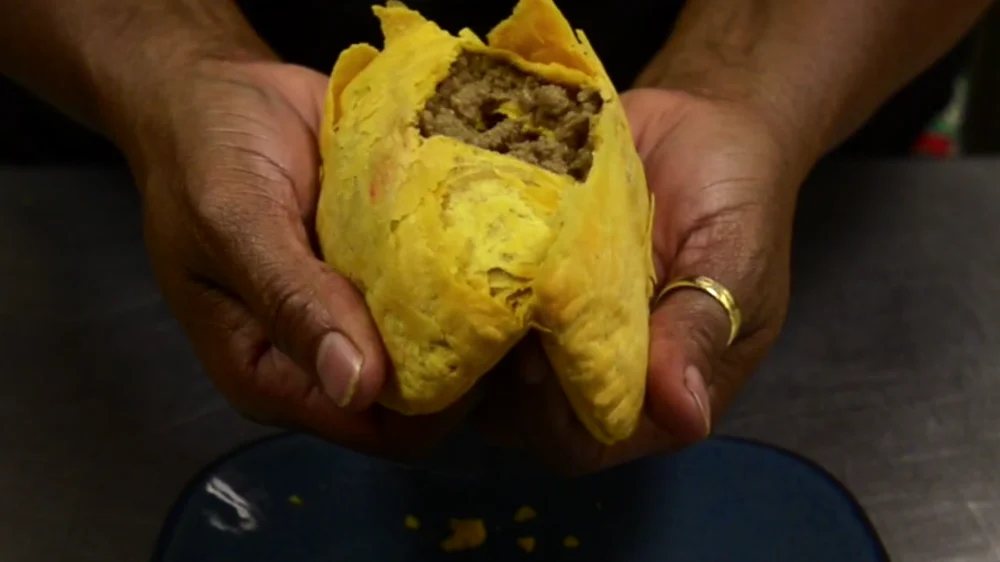
To understand island living, it helps to leave formal dining behind and pay attention to what people buy quickly, cheaply, and often. Patties are perhaps the most famous example, and with good reason. A good Jamaican patty has a flaky, turmeric-tinted crust and a filling that is moist, assertively seasoned, and compact enough to eat by hand. Beef is the standard reference point, but chicken, vegetable, lobster, and other fillings appear as well.
A patty in a coco bread is one of those combinations that outsiders sometimes question until they try it. Then it makes immediate sense. The soft bread catches the crumbs and rounds out the spice. It is portable, filling, and efficient, exactly what good street food should be.
Festival, roast corn, soup from a roadside pot, and jerk from a stand with smoke curling into the evening air all belong to the same ecosystem. These foods are not side characters to the polished dishes. They are central to how Jamaican food is lived, bought, and remembered.
Drinks, sweets, and the cooling side of the table
The intensity of Jamaican cooking often gets balanced by drinks and desserts that soothe or refresh. Sorrel at Christmas brings tartness, spice, and a jewel-toned color that feels festive before the first sip. Ginger beer can be bracing in the best way. Irish moss drinks, peanut punch, and carrot juice with condensed milk and spice reflect a broader Caribbean affection for beverages that nourish as much as they refresh.
Desserts and baked goods have their own weight. Rum cake, gizzada, toto, grater cake, and sweet potato pudding all show how sugar, coconut, spices, and local starches work together. Sweet potato pudding in particular can be transcendent when done right, dense and moist with notes of nutmeg, cinnamon, vanilla, and coconut milk. Many cooks describe a great pudding as “hell a top, hell a bottom, hallelujah in the middle,” which is both vivid and accurate.
What makes Jamaican food distinct from the versions many people know abroad
Diaspora cooking keeps traditions alive, but ingredients, climate, and economics inevitably shift outcomes. Scotch bonnet may be replaced with habanero. Pimento wood is rarely available. Goat and oxtail can become costly luxuries. Ackee may come canned. These substitutions are understandable, and many cooks abroad produce excellent food within those limits.
Still, there are differences worth noticing. Coconut tastes brighter in the tropics. Thyme and scallion picked close to use have a livelier edge. Seafood eaten near the coast needs less intervention. Even the social setting matters. Food eaten from a foil pan at a roadside stall after rain does not taste exactly the same on a polished urban plate, however skilled the chef may be.
That does not diminish diaspora Jamaican food. If anything, it highlights the discipline involved in preserving flavor across borders. Some of the best Jamaican cooks overseas know precisely where compromise is acceptable and where it is not. They may adjust technique, but they guard the core identity of the dish.
If you want to cook Jamaican food well at home
Ambitious home cooks often make two mistakes. They either underestimate the cuisine and treat it as simple rustic food, or they overcomplicate it and bury the ingredients under too many competing ideas. The stronger approach is to respect the logic of the cuisine.
A useful starting point is to build a kitchen around a few essentials:
- fresh thyme
- scallions
- allspice, often called pimento in Jamaica
- Scotch bonnet peppers
- coconut milk
From there, pay attention to marinating time, careful browning, and the quality of your starches. Wash and prep ingredients properly. Taste for salt before adding more, especially when using salted meats or fish. Let gravies reduce until they have shape. If a dish calls for heat, make sure it also has aroma and depth.
One practical note matters more than many recipes admit: Scotch bonnet is not interchangeable in personality with every hot pepper. You can substitute in a pinch, but the flavor changes. Habanero is close, though not identical. Generic chili heat without fruitiness can throw off the balance of a dish that expects both fire and fragrance.
The social life around the food
Island living is not just a flavor profile. It is a tempo. Jamaican food often arrives with a social script, whether at Sunday dinner, a cookshop, a beach outing, a wake, or Christmas gathering. Meals can be leisurely, but the labor behind them is serious. Someone seasoned the meat early. Someone watched the rice. Someone grated coconut or peeled provisions or stood over hot oil. Even where modern convenience has sped parts of the process, the culture still values effort you can taste.
That social dimension explains why the food feels so emotionally charged for many people. A plate of curry goat may recall a wedding. Sorrel may mean Christmas without needing a calendar. A box of jerk chicken and festivals eaten standing up by the roadside may carry more pleasure than a formal tasting menu. Jamaican food knows how to operate at every level, from everyday necessity to ceremony.
Why the cuisine endures
Food trends come and go, but Jamaican food has a staying power that trendier cuisines often lack. It is grounded in real appetite. It understands spice without losing structure. It values thrift while producing abundance. It offers smoke, heat, sweetness, starch, acid, and richness, often on the same plate, yet in combinations that feel coherent rather than chaotic.
More than that, it tells the truth about the island that shaped it. Jamaica can be lush and hard, generous and exacting, relaxed in appearance but disciplined underneath. Its cooking reflects those same tensions. The best dishes are vibrant, but they are also controlled. They look abundant, but they come from a long tradition of making much from what was available. They welcome you in, then remind you to pay attention.
That is the lasting pleasure of Jamaican food. It is delicious on first bite, certainly, but it also rewards a closer look. Beneath the spice and color lies a cuisine of technique, judgment, and memory, one that captures the flavors of island living with unusual honesty.
Reggae Pot Jamaican Grill
2243 S Monaco St Pkwy #104
Denver, CO 80222
+1 720-410-2956
FAQ About jamaican food
What is the best Jamaican food to try in Denver?
The best choice depends on your tastes. Popular options include jerk chicken, curry goat, slow-cooked oxtail, and savory patties. Reggae Pot lists these dishes on its menu, with sides such as rice and peas and plantains. Ask the Denver team about current availability and spice levels.
Is Jamaican food very spicy in Denver?
Heat varies by dish and preparation. Jerk seasoning often includes scotch bonnet peppers alongside herbs and allspice, while other dishes may have gentler seasoning. Ask about the heat of the specific dish and any sauce before ordering.
What are some popular Jamaican snacks?
Jamaican patties are a popular snack made with flaky pastry and savory meat or vegetable fillings. Other options include fried dumplings and festival, a sweet fried dough often served with savory dishes. Availability varies, so check the current menu when ordering.