Column · @tysondzij492
Jamaican Food in Denver: Local Favorites You’ll Want to Repeat
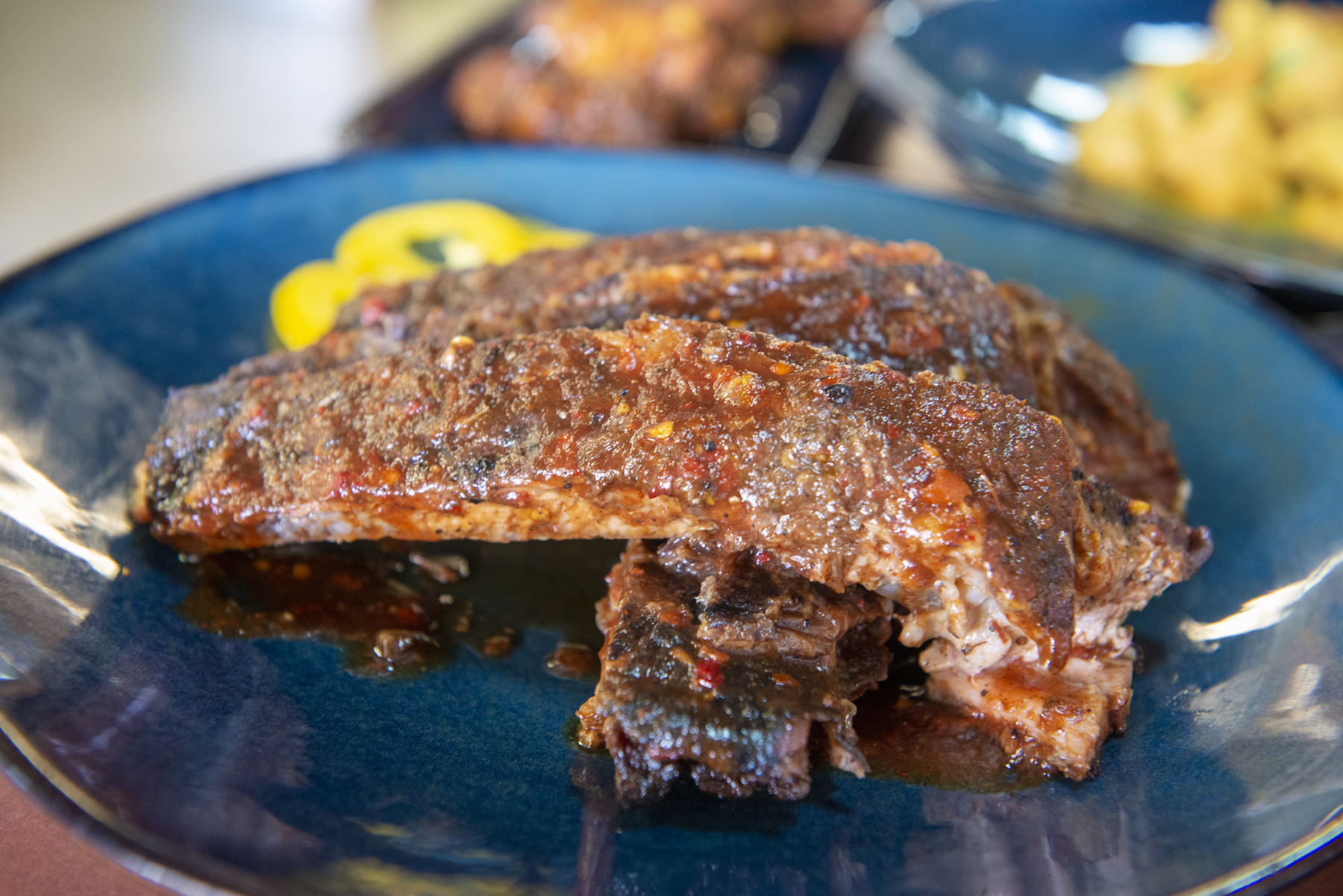
Denver has become a strong city for regional comfort food, and that matters when you are looking for Jamaican cooking done with conviction. The best Jamaican meals are rarely about novelty. They are about depth, patience, and balance. Heat should have purpose. Sweetness should come from caramelization, not sugar dumped in at the end. Rice and peas should carry the meal, not just fill the container. When Jamaican food in Denver lands the way it should, you remember the smoke first, then the seasoning, then the way every side on the plate somehow supports the main dish.
That is why people return to the same orders again and again. Jamaican food rewards repetition. The first time, you might focus on the spice or the portion size. The second time, you start noticing the gravy on the rice, the snap of a fried plantain, the peppery warmth that arrives a few seconds late. By the third visit, you know exactly what you want, and you probably add one more side than you meant to.
Denver is not a tropical city, and that works in Jamaican food’s favor. On a cold afternoon, a tray of oxtail with rice and peas feels almost engineered for the climate. On a summer evening, jerk chicken and cabbage hit with enough brightness and char to make perfect sense after a long day outside. Good Jamaican cooking travels well, reheats well, and carries a personality that does not disappear in takeout packaging. That makes it especially suited to how many people in Denver actually eat, often after work, after a concert, or before heading home from a brewery or market.
What makes a Jamaican spot worth repeating
A repeat-worthy Jamaican restaurant does not need a giant menu. In fact, some of the best ones keep the choices tight because they know where their strengths are. I pay attention to three things right away: the aroma when you walk in, the condition of the hot sides, and whether the chicken skin or exterior shows real char rather than a quick blast of sauce.
Jerk is the obvious test, but it is not the only one. A place that takes its rice and peas seriously usually takes everything else seriously too. The rice should be distinct, not mushy, with enough coconut richness to round out the spices. The peas, typically kidney beans, should taste integrated rather than added as an afterthought. Cabbage should still have some life. Mac and cheese, where offered, should feel deliberate, not borrowed from another menu concept just to please people who want something familiar.
The strongest Jamaican food in Denver also tends to show restraint. That may sound odd when talking about a cuisine known for bold flavor, but restraint is exactly what separates cooking from seasoning overload. Scotch bonnet heat should wake up the dish, not flatten it. Allspice should be present but not perfumey. Browning sauces and gravies should deepen the meat, not drown it.
The local favorites that keep people coming back
If you ask regulars what they order repeatedly, the answers tend to cluster around a handful of dishes. That is not because Jamaican menus are limited. It is because certain plates do the job every single time.
Jerk chicken, the benchmark order
Start with jerk chicken if you want to know whether a kitchen has range and discipline. Great jerk is layered. You should get smoke, thyme, scallion, allspice, chile heat, and a little sweetness from caramelization. The texture matters as much as the flavor. The outside should have dark edges and some tacky glaze from the marinade cooking down. The inside should stay juicy.
In Denver, where many people discover Jamaican cuisine first through jerk, this dish becomes the restaurant’s handshake. If the chicken tastes only spicy, it is a miss. If it tastes only sweet and smoky, it is also a miss. The best versions carry enough complexity that the heat builds but never crowds out the herbs and aromatics.
It is also the easiest dish to underestimate. I have seen plenty of diners order jerk expecting something close to barbecue. Then they take a bite and realize the seasoning profile moves very differently. Good jerk has a sharper personality. It should taste alive. When a place nails it, you immediately understand why this is the order people default back to, even when they promise themselves they will try something else.
Oxtail, the plate people think about later
Oxtail is often the dish that turns a first visit into a habit. It is expensive to make well, time-intensive, and unforgiving if rushed. That is part of why it has become a special-occasion order at many Caribbean spots. When the braise is right, the meat collapses under the fork but still holds character. The gravy should be rich, glossy, and full of spice without getting muddy.
This is the kind of plate that changes pace at the table. People stop talking for a second. They start moving rice through the sauce more carefully. They realize the cabbage on the side is not decorative, it is relief. In a city like Denver, where hearty comfort food always has an audience, oxtail makes instant sense.
It is also one of the clearest examples of value being more than portion size. You may pay noticeably more for it than for chicken, but a good oxtail plate earns that difference. If the dish comes with butter beans and a gravy that soaks into the rice without turning everything heavy, you are in good hands.
Curry goat, for diners who want warmth over smoke
Some people become loyal to jerk. Others always settle into curry goat. The appeal is different. Curry goat is less about fire and char, more about slow warmth and spice that expands as you eat. The goat should be tender but not stringy, and the sauce should have enough body to coat the rice without becoming pasty.
In Denver, this tends to be the dish I recommend to people who think they do not want very spicy food but still want something deeply seasoned. Jamaican curry is not the same as Indian curry, and treating them as interchangeable leads to disappointment. The Jamaican version often has a sunnier, more rounded spice profile, with turmeric color and a savory backbone that works beautifully with goat.
A well-made curry goat plate also holds up in leftovers better than almost anything else on the menu. The flavors settle deeper overnight. That matters because generous portions are common, and if you are ordering Jamaican food in Denver for takeout, there is a decent chance tomorrow’s lunch is already handled.
Beef patties, the snack that turns into a ritual
The beef patty is one of those foods people think they understand until they get a truly good one. At its best, the crust is flaky with a slight yellow tint from turmeric, and the filling is savory, gently spicy, and compact enough not to spill out in one bite. It should feel substantial but portable, rich but not greasy.
Patties are easy to overlook when larger plates get all the attention. That is a mistake. In many Jamaican spots, the patty tells you a lot about the kitchen’s standards. A fresh, well-baked patty signals care. A dried-out shell and bland filling suggest corners are being cut somewhere.
In Denver, beef patties make particular sense because they fit the city’s eating habits so well. They are ideal for a quick lunch, a late-afternoon bite, or something to bring home along with larger entrees. Plenty of people who go in intending to buy one end up ordering a full dinner. That is how the pattern usually starts.
Escovitch fish, for contrast and brightness
Not every great Jamaican meal needs to lean heavy. Escovitch fish brings acid, spice, and texture to the table. The fish, often fried whole or in a substantial fillet depending on the restaurant, gets topped with a sharp mix of peppers, onions, and vinegar. The result is bright and assertive, with enough crunch and tang to keep every bite interesting.
This is often the sleeper hit on a Jamaican menu. It appeals to diners who want something vivid rather than rich, and it cuts through hunger in a different way than braised meats do. In a high, dry climate, where heavy food can sometimes feel like too much in the middle of the day, escovitch can be exactly the right move.
The catch, of course, is execution. Fish has to be fried properly, with crisp exterior and moist flesh, and the pickled topping has to be sharp without overwhelming the fish itself. When those pieces align, escovitch becomes the order you crave specifically, not just the healthy or lighter option.
The side dishes that quietly decide whether the meal works
With Jamaican food, the side dishes are never side characters. They set tempo, absorb heat, and give the meal shape. I have had plenty of decent mains saved by excellent rice and peas, and a few strong mains dragged down by tired cabbage or dry fried plantains.
Rice and peas is the anchor. It should smell faintly of coconut and herbs, and each spoonful should taste finished on its own. White rice can work in a pinch, especially under saucy dishes, but it does not bring the same fullness.
Plantains can swing a meal one way or the other. When they are properly ripe and fried with darkened edges, they bring sweetness that softens the more savory or spicy items on the plate. When they are pale, starchy, or limp, they feel like filler. The same goes for cabbage. Good steamed cabbage provides texture and freshness. Bad cabbage feels like punishment.
Mac and cheese has become a common add-on at many Caribbean restaurants because customers want it, and sometimes it is excellent. Still, it needs to earn its space. If the dish is creamy, seasoned, and baked enough to carry some structure, it can pair well with jerk. If it is bland and over-soft, it drags the whole plate into heaviness.
Coco bread deserves a mention too. It is not always the first thing people order in Denver, but it should be. Soft, slightly sweet, and comforting, it is especially good with a patty tucked inside. That combination has a way of turning a quick stop into a full comfort-food memory.
Ordering well in Denver means knowing what you want from the meal
People often ask what to order first, but a better question is what kind of meal they want. Jamaican food can be smoky, rich, spicy, bright, or deeply soothing, sometimes all in one tray. The smart move is matching the dish to the moment.
If you are eating on a cold night and want something substantial, oxtail or curry goat is hard to beat. If you need a lunch that keeps some energy in it, jerk chicken with cabbage and rice is a safer bet. If you are eating with friends and want range, a mix of patties, chicken, and one heavier braise gives everyone something different to chase.
Here is the short version I usually give people the first time they ask:
- Order jerk chicken if you want the classic benchmark.
- Pick oxtail when you are ready for the richest, most satisfying plate.
- Choose curry goat if you want depth without as much smoke.
- Add a beef patty even if you think you do not need one.
- Never ignore the rice and peas when judging the meal.
That is not a strict ranking. It is more like a map. Different kitchens will excel at different things, and regulars often know exactly where one dish outperforms the rest of the menu.
Why takeout matters so much for Jamaican food in Denver
Some cuisines lose their edge the minute the lid closes on the takeout container. Jamaican food is not one of them. In many cases, it thrives in transit. Sauces settle into rice. Braises stay hot. Spice blooms a little more by the time you get home.
That makes Jamaican food in Denver especially appealing in a city where a lot of meals are eaten outside the restaurant, after a commute or between obligations. A plate of jerk chicken may lose a little crispness on the ride, but if the seasoning is right, the flavor still comes through. Oxtail and curry goat often improve after ten or fifteen minutes of rest. Patties are travel professionals.
There are trade-offs, of course. Fried fish is usually best eaten promptly. Plantains can soften in a closed box. If I know I am ordering for takeout, I lean toward braised dishes and ask for any extra sauce on the side if the kitchen allows it. That way the rice stays more balanced and leftovers are easier to manage.
A practical note on reheating: low and covered beats blasting everything in a microwave until the edges turn hard. Rice and peas respond well to a sprinkle of water and gentle heat. Braised meats can handle more warmth, but they still benefit from patience. This is food built on slow cooking. It likes a little respect on day two.
Spice expectations, and the mistake many first-timers make
One of the most common errors people make with Jamaican food is assuming the hottest dish is automatically the best or most authentic. Heat matters, but it is not the whole story. Scotch bonnet peppers bring fruitiness as well as fire, and a smart kitchen uses that complexity rather than just the burn.
If you are new to the cuisine, ask how the kitchen handles spice in its standard preparation. Some restaurants dial back heat to meet broad demand. Others cook closer to the edge. Neither approach is automatically wrong, but it helps to know before you order. You can always add heat more easily than you can remove it.
The other mistake is avoiding dishes like curry goat or oxtail out of fear they will be too intense. Often, those plates are less aggressive than jerk and more about slow, layered seasoning. A person who says they cannot handle spicy food may still love curry goat if the balance is right.
How to spot the places locals return to
Without naming addresses, there are some patterns worth watching for in Denver. The Jamaican spots that earn loyalty usually have a few telltale signs. They may be modest in size. They may do strong business in takeout. They often have regulars who order quickly because they already know the menu. The kitchen might sell out of certain items late in the day, which is frustrating in the moment but usually means the food is moving for the right reasons.
I also trust places where the menu does not try to be everything at once. A Jamaican restaurant that knows its lane and cooks with confidence tends to outperform a broader “island fusion” concept that spreads itself thin. Fusion can be good, but it should start with command of the basics. If the jerk is weak, no amount of creative sauces is going to fix that.
If you are exploring the local scene, keep these signals in mind:
- Strong aromas of smoke, herbs, and spice before you even order
- Rice and peas that tastes intentional, not generic
- Jerk with visible char and balanced seasoning
- Braised dishes with clear, developed gravy rather than thin sauce
- Regulars who seem to know exactly what they came for
Those details sound small, but they add up fast. Jamaican cooking is generous, but it is also precise in its own way.
Why these dishes hold their place in the city
Denver diners know how to appreciate food that comforts without becoming dull. That helps explain why Jamaican cooking fits so naturally here. The cuisine has range. It can feed a crowd. It can carry a weeknight dinner. It can also satisfy the kind of craving that does not go away until you get exactly the right dish from exactly the right place.
There is also something deeply appealing about how complete a Jamaican plate feels. You are not chasing side orders to round things out. You get https://pastelink.net/x4fjwvnt protein, starch, vegetables, sweetness, heat, and sauce in one composed meal. When it is done right, it feels generous without being chaotic.
Local favorites become favorites for a reason. They survive repeat orders. They taste good on bad weather days and busy weekdays. They still make sense when you reheat them for lunch. Jerk chicken earns its place because it is the benchmark you can always come back to. Oxtail stays in rotation because few dishes deliver that much comfort so efficiently. Curry goat keeps converting cautious diners into regulars. Beef patties sneak into routines and stay there.
That is the real test for Jamaican food in Denver. Not whether it impresses once, but whether it pulls you back. The best spots do exactly that. You remember the smoke on the chicken, the richness in the gravy, the sweetness of the plantains, and the way the rice carried all of it. Then a few days later, usually sooner than you planned, you find yourself ordering the same thing again.
Reggae Pot Jamaican Grill
Address: 2243 S Monaco St Pkwy #104, Denver, CO 80222
Phone number: +17204102956
FAQ About Jamaican Food Denver
What is typical Jamaican food?
Typical Jamaican food features bold, vibrant flavors created by blending African, Taino, European, and Asian influences.
What is a famous Jamaican dish?
Ackee and saltfish is Jamaica's national dish, made by sautéing the soft local ackee fruit with salted cod, onions, tomatoes, and spicy Scotch bonnet peppers.
What food is most popular in Jamaica?
The most popular and famous food in Jamaica is Jerk Chicken, celebrated worldwide for its smoky, spicy flavor.