Column · @tysondzij492
Tasting the Best of Pie Cafe Colorado Springs

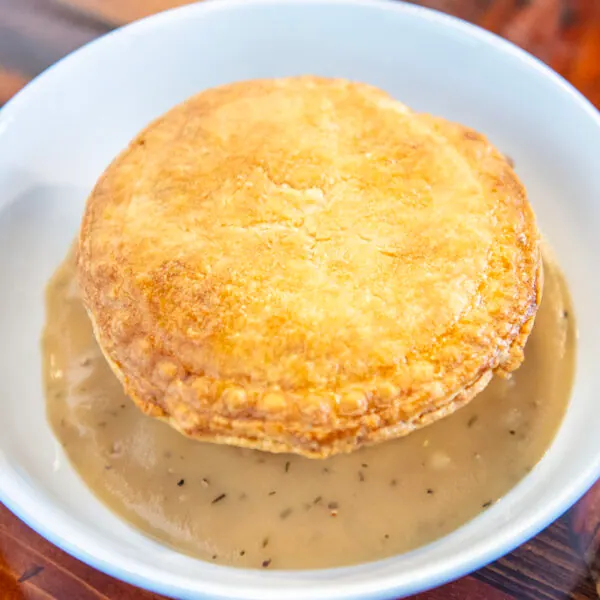
Colorado Springs has never been short on scenic drama. Pikes Peak pulls the eye west, the light changes by the hour, and even a short drive can take you from busy commercial corridors to quiet neighborhoods with a strong local feel. What surprises many visitors, and plenty of longtime residents, is how well this city lends itself to café culture. Not the rushed kind, not the chain-store version, but the sort of place where a slice of pie and a good cup of coffee can slow a whole afternoon down.
That is why the search for a memorable pie cafe Colorado Springs experience tends to become more than a quick hunt for dessert. People come in looking for one thing, a slice of fruit pie, maybe a latte on the side, and end up judging the whole place by how it balances comfort, craft, and hospitality. Pie is simple on paper. Flour, fat, fruit, sugar, heat. Yet the gap between acceptable pie and unforgettable pie is wide, and you can taste that difference within a single bite.
A strong pie café in Colorado Springs does not need gimmicks. It needs command of texture, consistency, and timing. It needs to understand what local customers actually want at ten in the morning versus three in the afternoon. It helps if the room feels inviting in winter, when people want something warm after coming in from the cold, and just as appealing in summer, when fresh fruit fillings should feel bright rather than heavy. The best spots know that pie can anchor a menu without becoming one-note. They also know that coffee matters more than some bakeries admit.
Why pie works so well in Colorado Springs
Part of the appeal is seasonal. Colorado Springs gets real weather. Cool mornings, sunny afternoons, snow that can arrive unexpectedly, and a long shoulder season that makes baked goods feel appropriate almost year-round. Pie fits all of it. A warm slice of apple or bourbon pecan has obvious cold-weather appeal, but citrus, berry, and stone-fruit pies feel just right when the days are dry and bright.
There is also something about the city’s pace that suits pie. Denver often pushes harder, and mountain towns can skew either tourist-heavy or highly seasonal. Colorado Springs sits in a middle ground. It has military families, remote workers, retirees, students, hikers, church groups, and weekend travelers, all sharing the same café ecosystem. That diversity rewards places with broad appeal. Pie does that better than many desserts because it crosses generations. People who would skip a flashy pastry case will still stop for a good slice of cherry. Children understand it instantly. Older customers have strong opinions about it. Anyone who grew up with family baking has a mental standard ready the moment the fork hits the plate.
Altitude matters too, even if customers rarely talk about it directly. Baking in Colorado requires adjustment. Dough can dry faster. Fillings behave differently. Steam escapes on its own schedule. Well-made pie in this environment shows technical confidence. You may not think about the crust’s hydration or the thickener in the filling while you eat, but your palate notices when those decisions are off. A runny fruit pie at sea level is disappointing. At altitude, it often reflects a baker who has not fully adapted technique to place.
The first thing to judge is the crust
Most people start by talking about the filling because it is visible and familiar. Professionals and serious home bakers usually start with the crust. That is the right instinct. Crust reveals discipline. You cannot hide poor handling under whipped cream.
In a well-run pie café, the crust should have structure without toughness. It should cut cleanly but break into tender flakes, not shards that scatter across the plate like dry leaves. The bottom crust matters as much as the top. Soggy bottoms are common in high-volume service because fruit pies sit too long, display cases trap moisture, or the bake was rushed. When a café gets the underside right, you know someone in the kitchen is paying attention.
Butter-heavy crusts offer beautiful flavor, but they can slump or lose definition if handled carelessly. Shortening can improve flake and shape, though sometimes at the cost of depth. Some bakers blend fats for balance. There is no single correct formula. The result is what matters. In Colorado Springs, where air is dry and temperatures swing, dough management is its own quiet skill. The best pie cafés work cold, move quickly, and bake decisively.
When I evaluate a slice, I look for a few simple signals:
- clean layers at the edge, not a compressed, bready rim
- a bottom crust that holds filling without turning leathery
- browning that suggests full bake, not pale haste
- seasoning that supports the pie, usually just enough salt to sharpen flavor
That list sounds technical, but customers read those cues instinctively. They may say, “the crust tastes homemade,” when what they really mean is that the bakery respected the dough from start to finish.
Fruit pies rise or fall on restraint
Sweet pies are often ruined by excess. Too much sugar mutes the fruit. Too much cinnamon erases the identity of apple. Too much starch creates a filling that looks tidy but eats like gel. The best pie cafés in Colorado Springs understand restraint, especially with fruit pies.
Apple pie should taste first like apples. The variety matters less than the balance between tartness and sweetness, though a mix often produces better complexity. A good baker will cut fruit with an eye toward texture as much as flavor. Thin slices cook down elegantly and hold shape. Thick chunks can feel rustic, but they risk uneven softness. Neither approach is wrong if the filling remains coherent.
Berry pies are even less forgiving. Blueberry can become pasty. Cherry can become candy-like. Mixed berry can collapse into one-note sweetness unless a touch of acid keeps it lively. This is where regional timing helps. In a place like Colorado Springs, where customers respond strongly to seasonality, limited runs of peach, strawberry-rhubarb, or late-summer berry pies tend to generate genuine excitement. Not because they are trendy, but because they make sense. Seasonal pie tastes of a moment. That is a harder pleasure to fake than people realize.
Cream pies ask for a different kind of discipline. Banana cream, coconut cream, chocolate silk, and similar styles depend less on oven management and more on texture and chill. Custard must set cleanly. Whipped topping should feel fresh, not heavy or stabilized beyond recognition. The crust still matters, but cream pies live or die on mouthfeel. In a café setting, where slices may sit plated for a few minutes before service, temperature control becomes part of flavor.
Savory pie deserves more respect than it gets
Many people hear “pie café” and think dessert first. Fair enough. Yet savory pie may be the category that reveals whether a café has range. A good hand pie, chicken pot pie, quiche-adjacent pie, or meat pie can carry lunch service without feeling like an afterthought. That matters in Colorado Springs, where many café visits happen between errands, after a hike, or during a casual work break.
Savory pie has practical advantages. It travels well. It reheats reasonably well. It satisfies in a way that aligns with the city’s active lifestyle. A customer coming down from Garden of the Gods or finishing a long morning outdoors may want something warm and substantial, not just a sugar rush.
The challenge is balance. Savory fillings can become stodgy fast. Gravy-heavy pot pies often taste comforting for three bites and tiring by the end. The stronger versions use vegetables with texture, protein cut to eat cleanly, and enough herbs or black pepper to keep the palate awake. Cheese should add richness, not grease. Crust must still stay crisp. Once it softens into damp pastry, the whole format loses its charm.
If a pie café in Colorado Springs handles both sweet and savory menus well, it usually means the kitchen is serious. Those are different disciplines sharing the same shell. One rewards delicacy, the other structure. Pulling both off takes more than a family recipe.
Coffee is not a side character
Too many dessert-focused cafés treat coffee as a necessary accessory. That is a mistake. In a pie café, coffee is part of the flavor architecture. It resets the palate between bites, tempers sweetness, and changes how spices register. A mediocre drip coffee can flatten a very good slice. A well-brewed cup can make a good slice seem even more balanced.
The best pairings often avoid the obvious. Dark roast with chocolate pie makes sense, but so does a brighter medium roast with apple or peach. A cappuccino can bring welcome bitterness to a cream pie. Straight black coffee can be perfect with pecan. Tea has a place too, especially with lighter fruit pies, but in Colorado Springs café culture, coffee remains the main companion.
It is worth paying attention to how a café handles service here. Is the coffee brewed fresh in smaller batches, or does it sit too long on heat? Are espresso drinks tuned for milk balance, or do they taste burnt? Does the staff understand that a customer ordering pie may want a beverage recommendation rather than the default menu script? Little moments like that shape memory.
I have seen excellent pie undercut by careless coffee and ordinary pie elevated by thoughtful pairing. The strongest cafés understand both sides of the equation. They know the plate and the cup arrive as a pair.
Atmosphere changes the taste more than people admit
No one wants to believe décor influences flavor, but it does. Not chemically, of course, but experientially. A pie café should make you want to stay long enough to notice the second layer of flavor in the filling, the salt in the crust, the warmth of the mug in your hands. If the room is too loud, too cold, too cramped, or too rushed, pie starts to feel like a product instead of a ritual.
Colorado Springs rewards places that feel grounded. That does not necessarily mean rustic. A good pie café can be modern, spare, even polished. What matters is ease. Clean tables, enough natural light, chairs you can tolerate for half an hour, and service that does not make a solo guest feel out of place. Pie invites conversation, but it also suits solitude. The best cafés accommodate both.
There is a practical side to atmosphere as well. Display matters. If pies are shown whole, customers buy with their eyes. If slices are pre-cut, freshness becomes more visible. Staff confidence matters too. Can they explain the difference between today’s seasonal fruit pie and the year-round standard? Do they know whether the pecan pie skews sweet or salty? Can they steer someone toward a less-rich option without sounding dismissive? Expertise at the counter is part of the meal.
What to order on a first visit
If you are trying a new pie cafe Colorado Springs location for the first time, order in a way that lets the café reveal itself. One slice that flatters sugar lovers tells you less than a combination that tests craft and range. I usually advise people to think like an editor rather than a tourist. Sample the category broadly enough to understand the kitchen, but not so much that everything blurs.
A practical first order often includes one fruit pie and either one cream or one savory pie, depending on the time of day. That pairing exposes crust handling, filling discipline, and menu ambition in one sitting. Add coffee, not because it is compulsory, but because it sharpens your read on the café’s standards.
Timing matters more than many customers realize:
- go earlier in the day if you want the widest selection
- ask what was baked that morning, not just what is most popular
- if choosing fruit pie, favor seasonal options when available
- save cream pies for places that appear to manage refrigeration carefully
- on busy weekends, expect favorites to sell out and treat that as a good sign, not a failure
Sellouts can be inconvenient, but they often signal a bakery that bakes to demand instead of overproducing. There is a difference between scarcity as marketing and scarcity as freshness. Experienced customers learn to spot it.
The role of seasonality and local expectations
Colorado diners tend to notice seasonality even when they are not saying the word out loud. In summer they want brightness, stone fruit, berries, maybe rhubarb. In late fall they lean toward apple, pecan, pumpkin, and deeper spice. Winter makes room for richer profiles, though too much sweetness can still feel tiring at altitude, where dry air and strong coffee already sharpen the senses.
A pie café that rotates with the calendar earns loyalty because it gives regulars a reason to return. This is especially true in Colorado Springs, where people often settle into routines. The morning meeting place, the post-church café, the Saturday stop after errands, the quiet spot for a weekday work break. When seasonal pie enters that routine, it becomes part of the local rhythm.
At the same time, regular customers usually want a few constants. Apple pie is the clearest example. It is the baseline against which many people judge everything else. If a café cannot make a reliable apple pie, all the seasonal creativity in the world will not save it. The same goes for at least one rich choice, usually pecan or a cream pie, and one dependable savory option. Stability and surprise need each other.
Service, value, and the question of price
Pie seems humble, which can make pricing feel sensitive. Customers often accept premium prices for laminated pastries or plated desserts more readily than for pie, even when pie requires equal care. In a café setting, value comes down to proportion, ingredient quality, and experience. A generous slice with a properly made crust, balanced filling, and strong coffee beside it can justify a higher price than a cheaper but forgettable alternative.
What does not justify price is sloppiness. If slices are shrinking, whipped topping is masking flaws, or service feels indifferent, customers notice quickly. Colorado Springs diners are often practical. They do not mind paying for quality, but they expect sincerity. A pie café gets more goodwill when the room feels welcoming and the staff can speak confidently about what they are serving.
There is also the take-home factor. Many of the best pie experiences begin with a slice in the café and continue with a whole pie ordered for a weekend dinner, a holiday table, or a gift. This is where reputation deepens. A place that can serve a beautiful slice on Tuesday and a consistent whole pie on Saturday has moved beyond novelty. It has become part of a household’s habits.
How locals and visitors tend to experience pie differently
Visitors often chase the picturesque moment. They want the sunny window seat, the postcard-worthy lattice crust, the coffee cup next to a mountain-day itinerary. There is nothing wrong with that. A good pie café should offer pleasure quickly. But locals usually judge on repetition. Can the café hold up over six visits? Does the apple pie taste the same in March as it did in October? Is the savory menu dependable enough to recommend without hesitation?
That local perspective matters. One strong slice can be luck. Consistency is skill. In Colorado Springs, where word of mouth still carries real force across neighborhoods, churches, schools, workplaces, and military circles, consistency builds the kind of reputation paid marketing cannot buy.
For travelers, the smartest move is to borrow a local mindset for an hour. Instead of asking only what looks best in the case, ask what regulars come back for. Ask what pie defines the shop. Ask whether there is a seasonal favorite that tends to sell out first. Those questions usually lead to a better order than simply choosing the glossiest slice under glass.
Why pie still feels personal
Pie carries memory in a way many desserts do not. Cake often belongs to celebration. Ice cream belongs to impulse. Pie belongs to home, to holidays, to family arguments over whose crust was better, to the smell of fruit bubbling in the oven and someone warning you to wait before slicing. A pie café taps into that emotional register whether it intends to or not.
That is also why customers are unforgiving. People compare café pie not just to other cafés, but to a grandmother’s peach pie, a father’s pecan pie, a Thanksgiving pumpkin pie from twenty years ago. Those are impossible standards if you think only in terms of product. They become reachable if you think in terms of trust. Trust the ingredients, trust the bake, trust the customer’s palate.
The best of pie cafe Colorado Springs culture lives in that trust. It is not really about nostalgia alone, and it is not about novelty for novelty’s sake. It is about getting the fundamentals right, then serving them in a place where people genuinely want to linger. A flaky crust, fruit that tastes like itself, savory options with backbone, coffee that earns its place, and a room that feels human. That combination turns a simple café stop into something memorable.
Colorado Springs offers enough variety that no single style of pie https://zionzmca426.halcyonledger.com/posts/pie-cafe-colorado-springs-a-tasty-tradition-worth-sharing café needs to dominate. Some people will always prefer old-fashioned fruit pies with straightforward coffee. Others want cream pies, savory lunch options, or polished café service with a more contemporary feel. The encouraging part is that the city can support all of those instincts. For diners, that means the search stays interesting. For cafés, it means the standard remains high.
A great slice of pie never needs a sales pitch. It needs a fork, a little patience, and a café that understands exactly why people came through the door in the first place.
3.14 Pi Bar
5152 Centennial Blvd
Colorado Springs, CO 80919
(719) 314-6172
FAQ About pie cafe colorado springs
Does 3.14 Pi Bar serve sweet and savory pies?
Yes. The café serves savory pot pies and seasonal sweet pies made from scratch. Flavors can vary.
Can I order a whole pie to take home?
Yes. The café sells whole sweet pies to take home. Check the current menu for flavors and ordering options.
Does 3.14 Pi Bar offer take-and-bake pies?
Yes. The café offers prepared pies that you can bake at home. Check the current menu for available varieties.